Showing posts with label My Projects. Show all posts

Tuesday, March 1, 2022

Reviving the Past: Deep Learning Transforms Old Videos into Vibrant Colors

Have you ever come across old black and white videos and wondered what they would look like if they were in color? With the advancement of deep learning, it is now possible to transform black and white videos into colored ones with stunning accuracy.

My new project is about colorizing black and white evergreen songs. The colors may not be perfect since this is not a studio level film roll remastering, but we can get the look and feel of how the video will be if shot with a color camera.

The process of colorizing old videos involves training deep neural networks to predict the colors of each pixel in a grayscale image. The neural network is trained on a large dataset of images to learn the relationship between the grayscale and color images. Once trained, the neural network can be used to colorize new grayscale images or videos.

One of the most popular methods for colorizing videos is to use a technique called "frame interpolation." This technique involves using a neural network to predict the colors of intermediate frames between two existing frames. This results in smoother transitions between frames and a more natural-looking colorization.

Another approach is to use a technique called "temporal coherence." This technique involves ensuring that the colorization of one frame is consistent with the colorization of the surrounding frames. This helps to prevent color flickering and produces a more visually pleasing result.

One of the benefits of using deep learning to colorize old videos is that it can be done automatically and in real-time. This makes it possible to colorize old movies and TV shows, bringing them to life in a way that was never before possible. It also allows us to see historical events and footage in a new light, with colors that were previously hidden.

However, there are also some limitations to this technology. One of the challenges is that the neural network may make errors in predicting the colors of certain objects or regions in the video. For example, if there are no reference images of a particular car model, the neural network may not be able to accurately predict its color. Another challenge is that the colorization process may introduce artifacts or noise into the video.

Despite these challenges, the technology for colorizing old videos using deep learning is rapidly advancing. It is now possible to produce colorized videos that are visually stunning and incredibly realistic. With further improvements to the technology, we may soon be able to see the world in a whole new way, with old videos and images transformed into vibrant and colorful representations of the past.

This is my first try,

Song: Kalyani Kalavani…
Movie: Anubhavangal Paalichakal

Here is the final out,

Movie: Shree 420 (1955)

Song: Mera Joota Hai Japani


Song: Saranamayyappa

Artist: K. J. Yesudas, Chorus
Album: Chembarathi

More videos will be available in below playlist,
Remastered Videos

Sunday, February 20, 2022

Breaking Language Barriers: How Deep Learning Automates Language Conversion of Comics

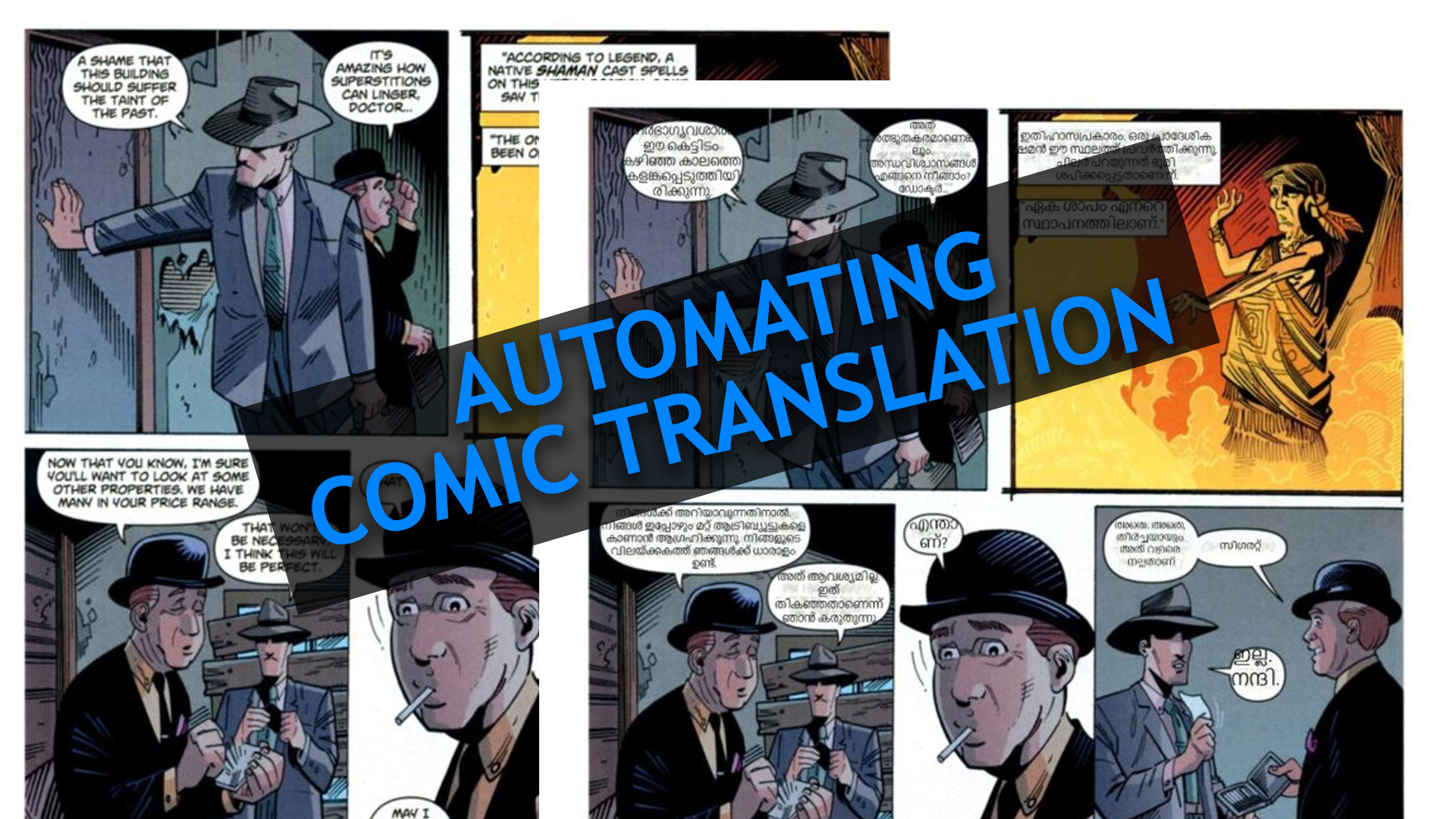
My next project is about converting comics to my native language. Since manual work is a time consuming, we are discussing about automating this. So took my first comic, Doctor Strange(English), and lets talk about the steps involved in this.

Comics are a form of visual storytelling that have gained immense popularity over the years. However, one of the challenges in reading comics is that they are often published in a single language, making them inaccessible to people who don't understand that language. But with the help of deep learning, it is now possible to automate the language conversion of comics, making them accessible to a wider audience.

The process of automating language conversion of comics involves training deep neural networks to recognize and translate text from one language to another. The neural network is trained on a large dataset of comics and their translations to learn the relationship between the text and the images. Once trained, the neural network can be used to automatically translate the text in new comics.

One of the challenges in automating language conversion of comics is that the text is often integrated with the images. This means that the neural network needs to be able to recognize and extract the text from the images. One approach to addressing this challenge is to use Optical Character Recognition (OCR) technology, which can recognize and extract text from images.

Another challenge is that different languages may have different sentence structures and word orders, making it difficult for the neural network to accurately translate the text. To address this, the neural network can be trained on a larger dataset of translations to improve its accuracy.

One of the benefits of automating language conversion of comics is that it can be done automatically and in real-time. This makes it possible for publishers to translate their comics into multiple languages without the need for manual translation. It also makes comics more accessible to people who may not have access to translations, such as those living in remote areas or those with visual impairments.

However, there are also some limitations to this technology. One of the challenges is that the neural network may make errors in translating certain words or phrases, especially those with multiple meanings. Another challenge is that the translated text may not always fit seamlessly with the images, which can be distracting for readers.

Despite these challenges, the technology for automating language conversion of comics using deep learning is rapidly advancing. It is now possible to produce translated comics that are visually stunning and accurate in their translations. With further improvements to the technology, we may soon be able to enjoy comics in multiple languages, bringing new audiences to this beloved form of storytelling.

In conclusion, automating language conversion of comics using deep learning is a promising technology that has the potential to revolutionize the comic industry. By making comics more accessible to a wider audience, we can foster a greater appreciation for this unique form of storytelling and bring people together across language barriers.

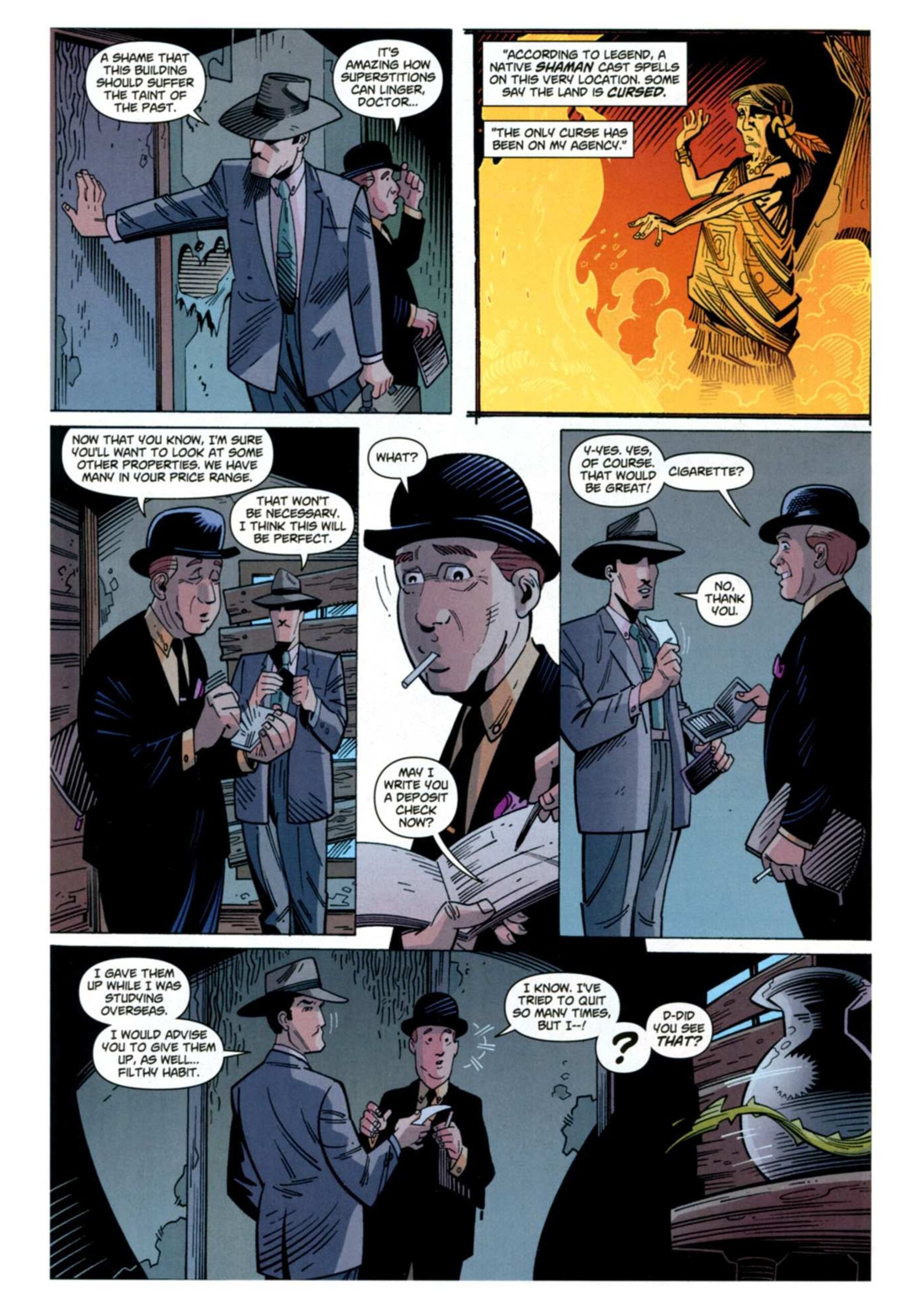
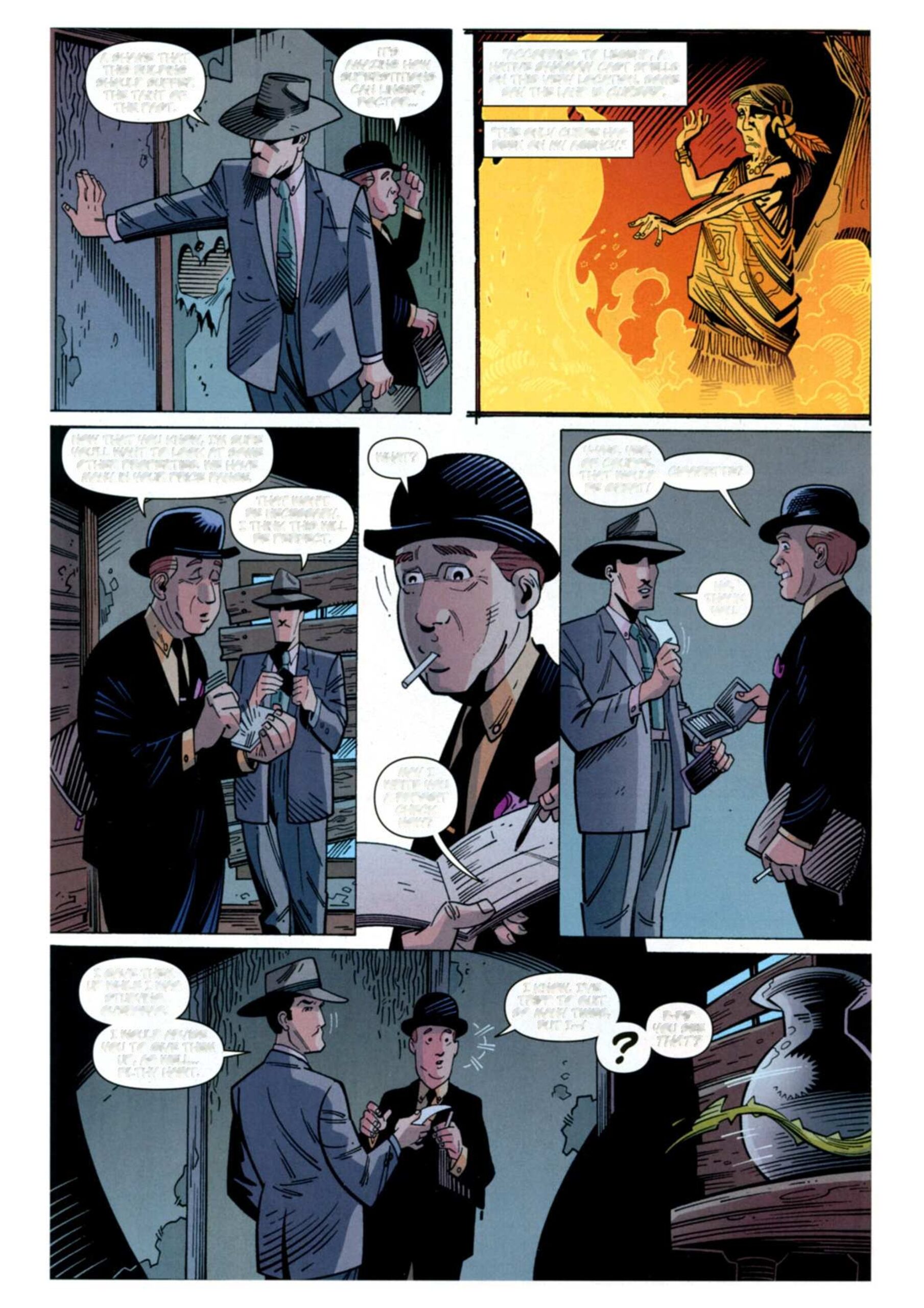
This is the page we are going to translate,

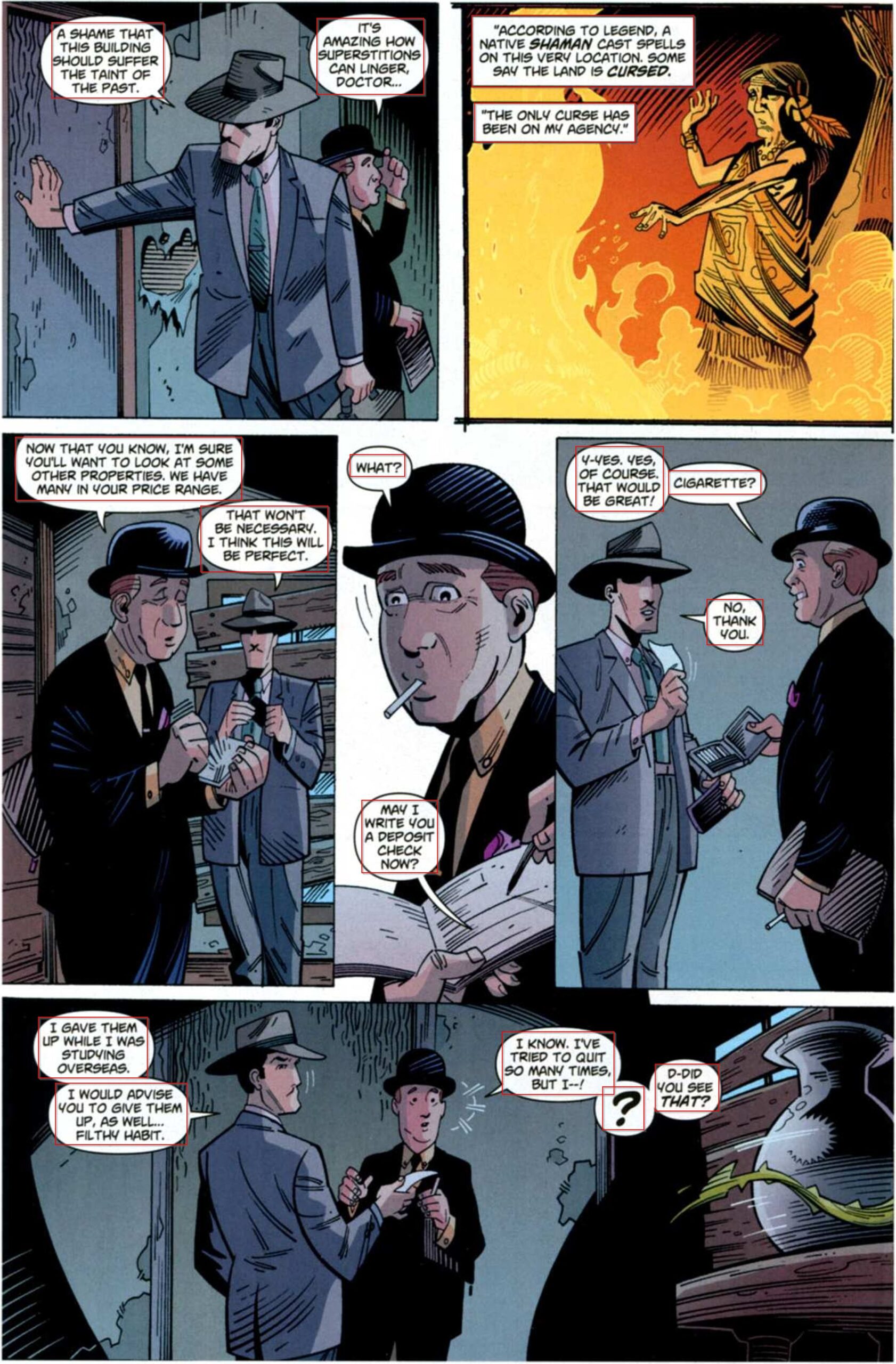
Step 1: Detection of text, conversation: This involves passing the image through a deep learning model to identify all the balloons in it.

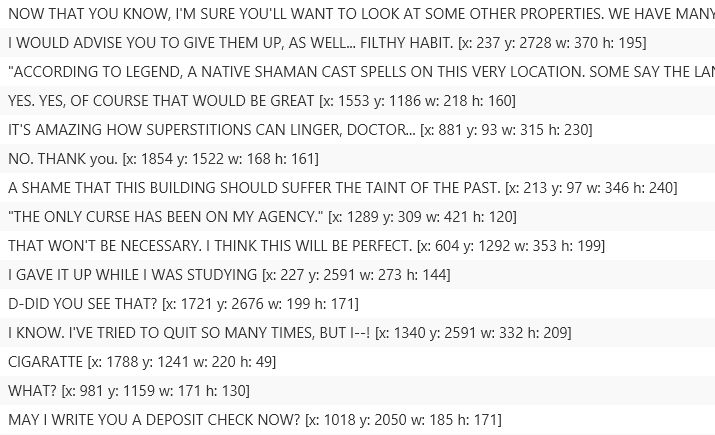
Step 2: OCRing, So we have the location of all text boxes with us. So we will take each of them and pass through it via an OCR. The quality of OCR depends on the quality of the source image, we can use Tesseract, Abby, Google or any OCR as needed.

So we will get something like this,

Step 3: Translation is the next step. We can use any kind of language translators available for translation.

At this point, the translation may not be perfect. So we cannot fully depend on a translator and s we need to tune it or we should create our own translation model for each type of comic and then do the translation. Different comics use different own kind of dialogues/phrases and content delivery, like for Amar Chitra Katha the English’s content will be different and for Marvel comics it will be exactly different. So we cannot convert them based on any available conversational models for a professional output, but automated translation works for the time being.

Step 4: Text Masking: So now we know where are out texts, so the next step is to mask all the texts in it. This uses AI models to detect text in the balloons that we detected, and remove them. OR just clear all the balloons which may not be perfect since balloons can be of any shape.

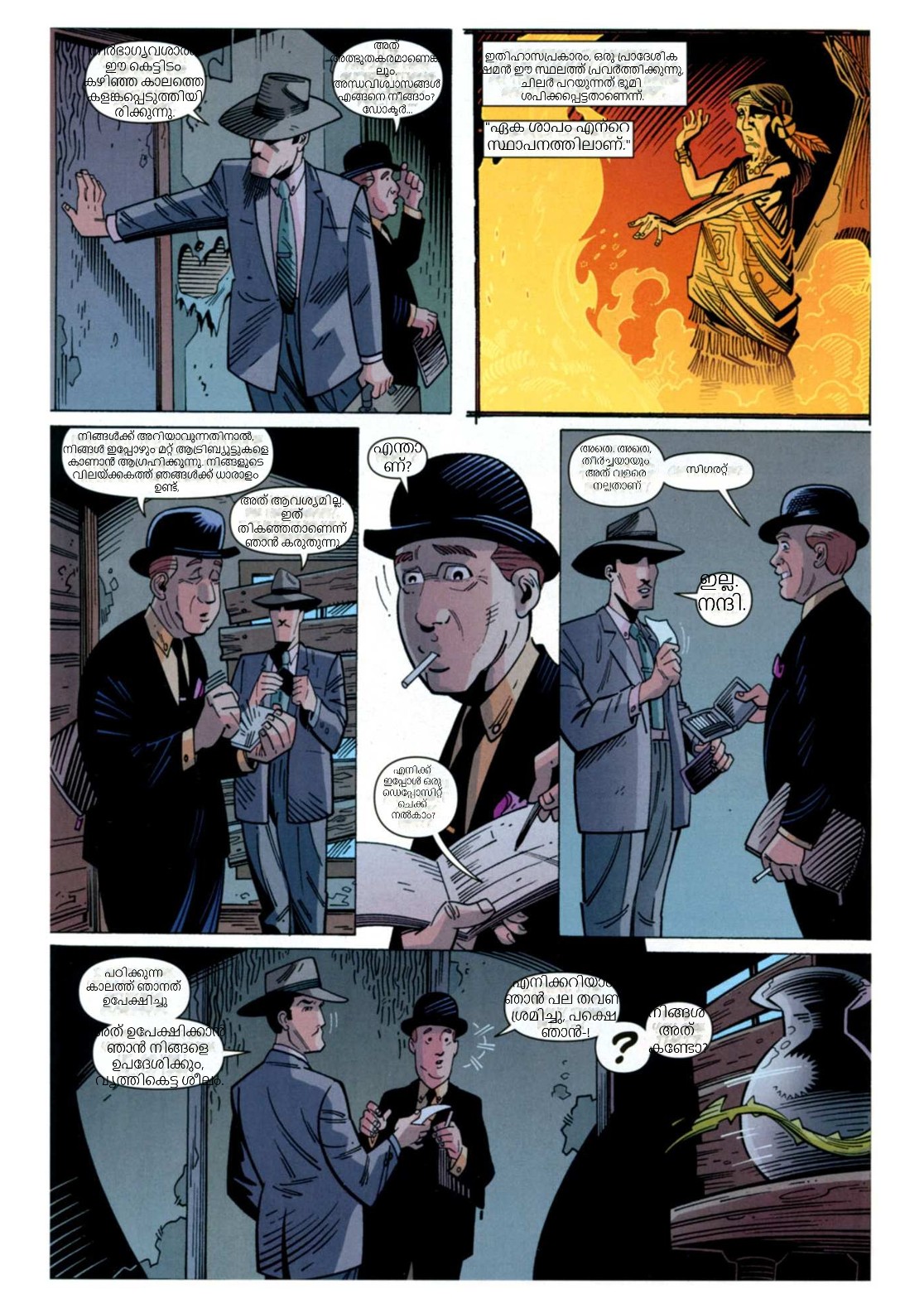
Step 5: Replace original text, we can now paste our translated contents over this bubbles.

So yes we have the comic ready.

Here I’m adding the converted comic (Just a couple of pages only.)

Original: Dr. Strange from Marvel

Translated: Dr. Strange From Marvel – Malayalam Translated

Here is one more,

This I did in a hurry (ignore the imperfect mask removal), but it does the job.

Original: Arjun Unicrystal
Translated: Arjun – Unicrystal – Malayalam Translated

So if you want to convert any comics can P.M me, all we need is a person (manual translator) who can verify the automatic translated content and do the correction.

Thanks for reading.

Thursday, July 1, 2021

Maximize Your Trading Potential with Our Stock Trading Tracker and Alert Tool on Telegram


Are you a stock trader looking to learn and earn? Look no further than NSE Trading Alerts, the ultimate resource for trading setups and ideas.

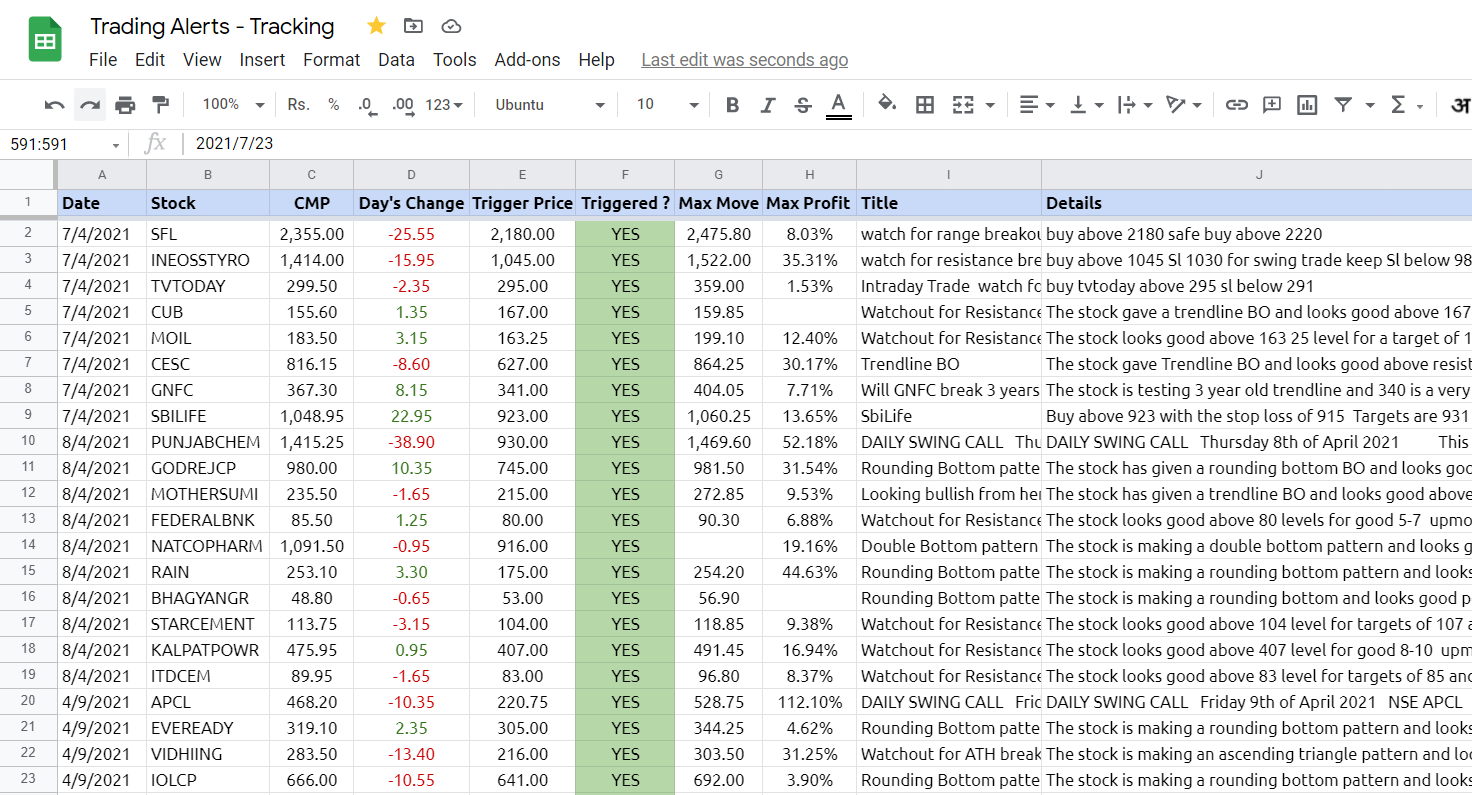
Our comprehensive spreadsheet provides you with all the technical aspects you need to know, including which scrip to buy and at what price. We even update it frequently during market hours to identify good setups and publish them in real-time.

But we know you're busy, and checking the spreadsheet periodically might not be feasible. That's why we've created a telegram channel where you can get trading setups and ideas directly in the channel – no need to leave the app.

Plus, we've added new functionality with alerts that notify you when a scrip's CMP is near the trigger price, making it easier to identify the right trade. And the best part? The channel is completely free to use.


My new project is for Stock Traders who want to study and earn. 

So I’ve created a spreadsheet with trading setup’s where you can see which scrip to buy at what price. This will be a bit educational also as it will explain the technical aspects also.

And here is the link if you want to take a look:

https://docs.google.com/spreadsheets/d/1Pi3bViTDWwgxEjK44hiWJCrhOFT2yR_T-RQ08bm16UM/edit#gid=0

The sheet will update frequently during market hours to identify good setups and publish it in the spreadsheet with its trigger price. I’m not publishing SL or Target you can set your own Target and SL based on your convenience. There is also a MaxMove column to watch out for to see how much the scrip went after triggering.


The next thing that came to my mind is that somebody might need to look at the sheet periodically to enter a good setup and this might not be useable for someone who is busy or not an intraday trader.

the answer is telegram channel…

So I’ve created a new channel in telegram @nsetradingalerts

Once you joined the channel, you will get trading setups and ideas in the channel itself, no need to go and check the spreadsheet.

Here are a couple of screenshots of how the channel looks like:


Now comes the main issue, there will be a lot of ideas and possible setups in the channel and it will be difficult to identify a good one during a trade.

So I’ve added new functionality – Alerts

Now the channel will notify you if its CMP is near the trigger price (not at the trigger price as you may miss the entry) and it will send an alert to the channel which will be much easier to identify the right trade.

Here is a screenshot:

The channel is free to use, those who are interested can join at https://t.me/s/nsetradingalerts

Disclaimer: This is for educational purposes only, I’m not a SEBI registered analyst. Take advice from your financial experts before jumping into any trade. 

Join our telegram channel @nsetradingalerts today and start your journey towards successful trading.

Sunday, May 9, 2021

Travancore Photos Old vs Restored

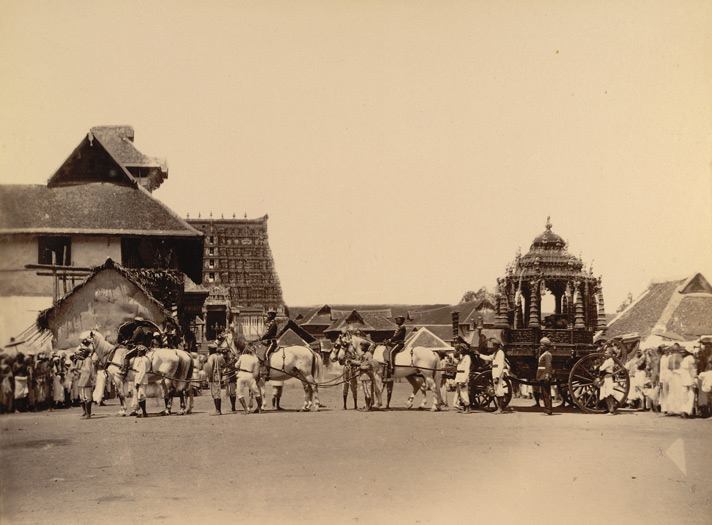
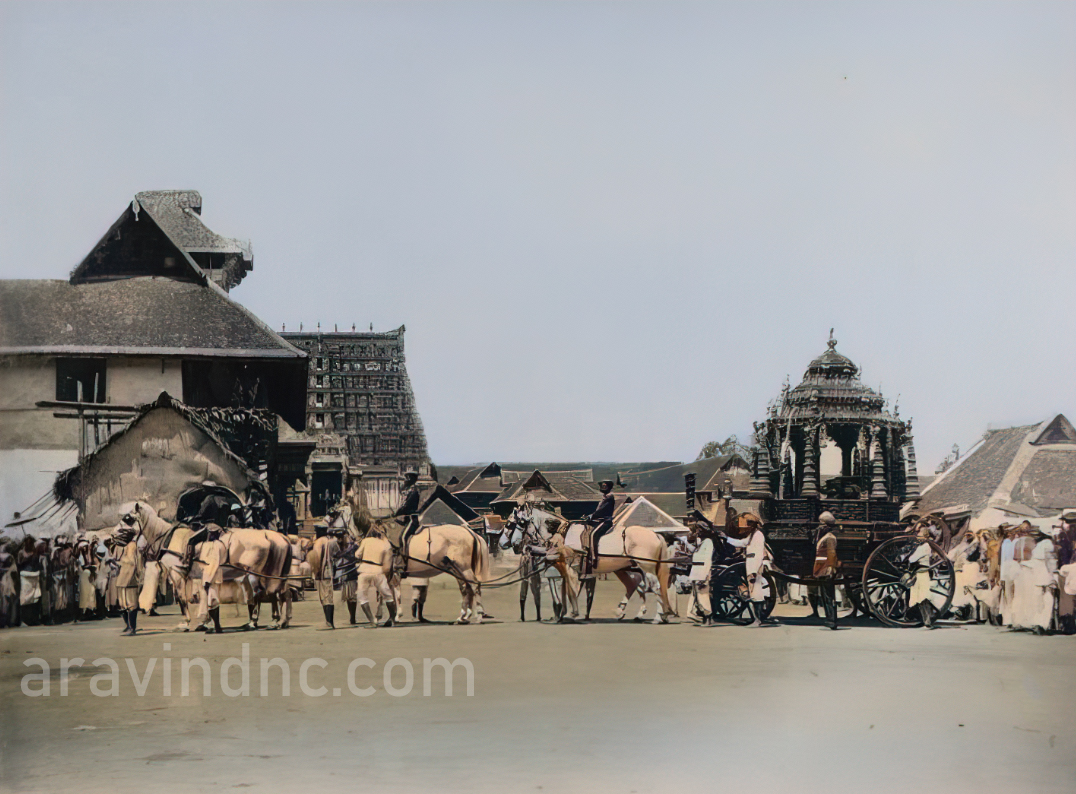
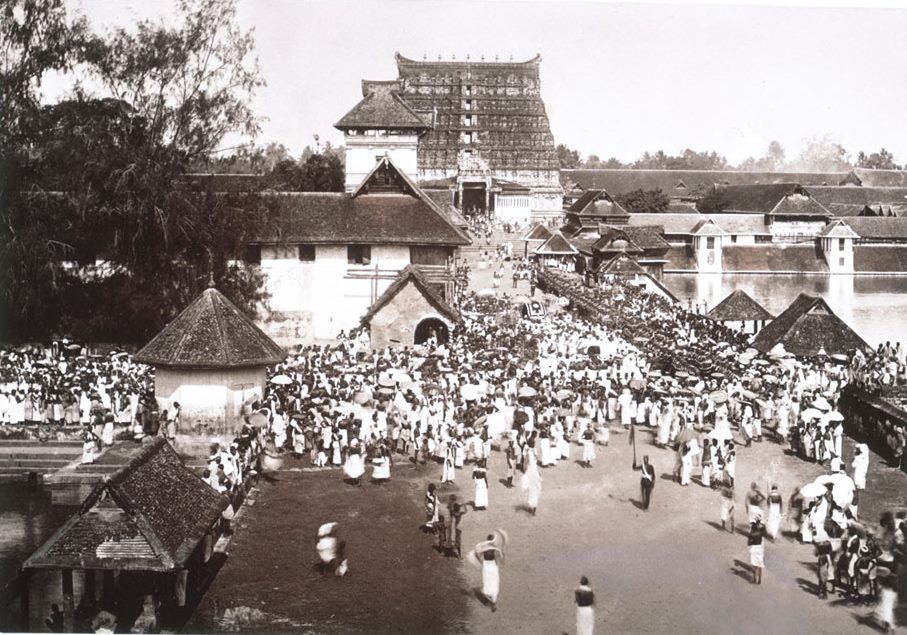
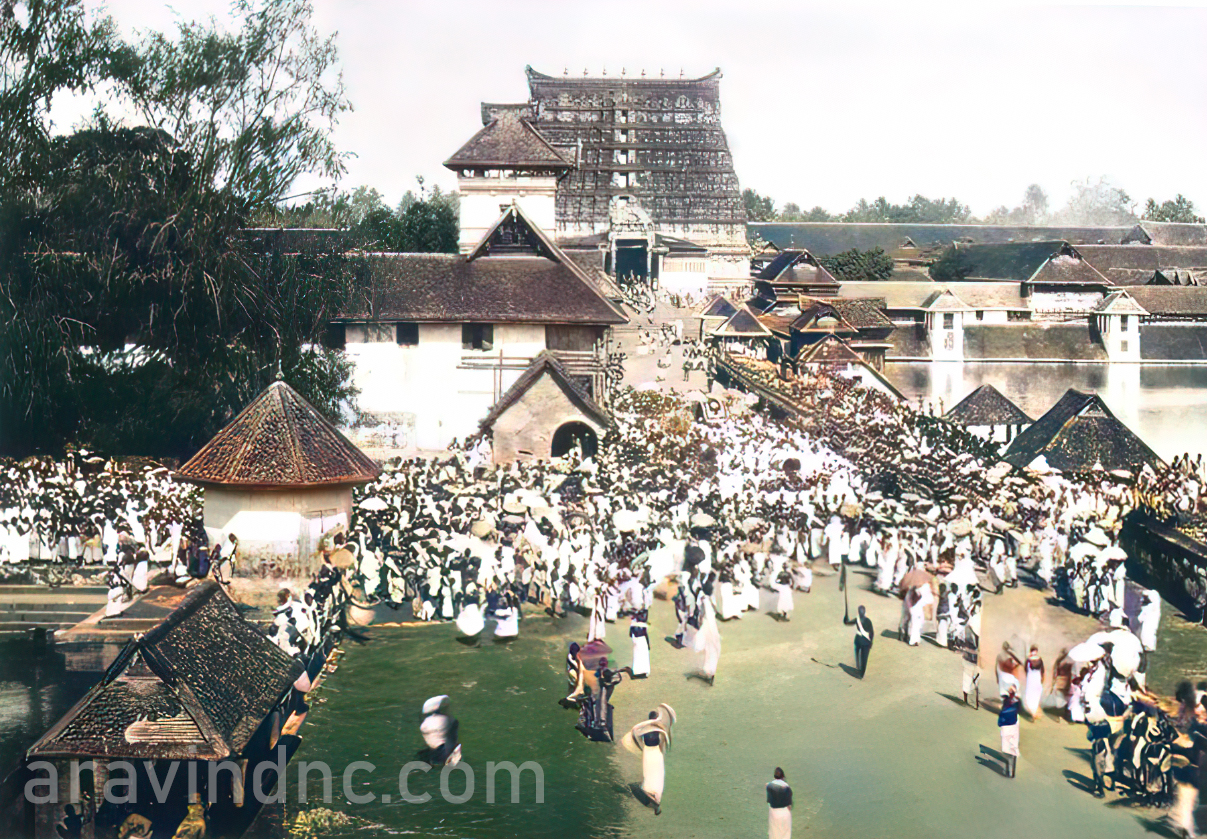
I’m trying to restore the old Travancore photos in color format using deep learning AI methods.

Most of these original photos are taken from “Album of South Indian Views” from the Curzon Collection taken by Govt. Photographer Zacharias D’Cruz during 1900’s others are from various websites I found.

So here are those…

Photograph of the gopura of the Padmanabha Temple at Trivandrum during 1890s. This ancient Hindu temple is one of the greatest of Kerala and was patronized mainly in the 18th century by the Travancore kings. The sanctuary, which enshrines a large image of Vishnu, is built in the typical Kerala style while the surrounding walls and towers are similar to those of the Dravidian architecture of Tamil Nadu. The imposing gopura or entrance gateway consists of ascending storeys ending with a vaulted roof and reflect the contemporary Nayaka style of architecture.


Maharaja’s State Carriage in Trivandrum. It was drawn by a team of six horses. In the background can be seen the gopuram of the Padmanabha Swamy temple.


A rare image from 1900’s of the richest temple in India, Padmanabhaswamy Temple.


This will be a live page, more photos will be added in the coming days.

Sunday, April 25, 2021

Reviving History: Sree Padmanabha Swamy Temple During 1895 Comes to Life in HD Color with Deep Learning Technology

One of the most amazing things about artificial intelligence is its ability to learn and improve through experience. This is especially true for deep learning, a subset of AI that uses neural networks to analyze and learn from data. Colorization and enhancement of images and videos is one area where deep learning has made significant strides, and it's all thanks to the power of AI.

Colorization involves adding color to grayscale images or videos, while enhancement refers to improving the overall quality of an image or video, such as sharpening or denoising. These tasks were traditionally done manually, requiring a lot of time and effort from professionals. But with the advent of deep learning, these tasks can now be done quickly and accurately.

One of the most popular methods for colorization and enhancement is using deep neural networks, which are trained on large datasets of images and videos. The neural networks learn to recognize patterns and relationships between the grayscale and color or degraded and enhanced versions of the same image. Once the neural network has been trained, it can be used to apply color or enhancement to new images or videos.

Another technique used for colorization is to use reference images, where a neural network is trained to learn the color distribution of similar images. This allows the neural network to predict the colors of the pixels in a grayscale image more accurately.

Deep learning has also made it possible to enhance images and videos in real-time, which is useful for applications such as video conferencing or live streaming. This involves using deep neural networks to remove noise, blur, or other imperfections from an image or video in real-time, producing a clearer and more visually pleasing result.

One of the benefits of using deep learning for colorization and enhancement is that it can be done automatically and at scale. This means that large amounts of images and videos can be colorized or enhanced quickly and with a high degree of accuracy. This also saves professionals a significant amount of time and effort, allowing them to focus on other tasks.

However, there are also some limitations to this technology. For example, if the neural network has not been trained on a specific object or scene, it may not be able to accurately colorize or enhance it. Additionally, the colorization or enhancement process may introduce artifacts or errors into the image or video.

Despite these challenges, deep learning AI has revolutionized the way we approach colorization and enhancement of images and videos. It has made it easier and more accessible for professionals to produce high-quality images and videos, while also offering new possibilities for real-time applications. As deep learning technology continues to improve, we can expect to see even more exciting developments in this area.

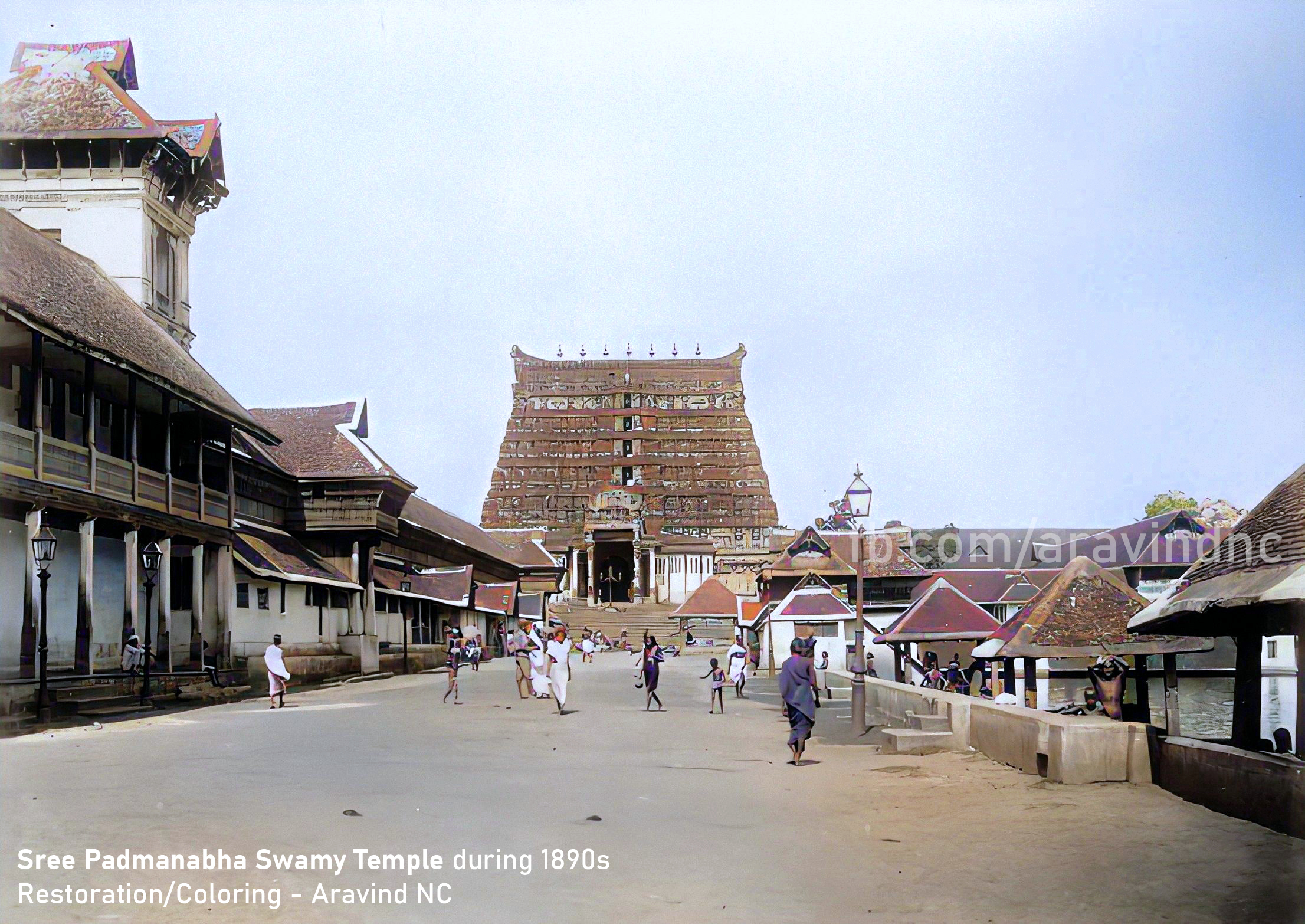
Colorization and enhancing is done by deep learning AI.

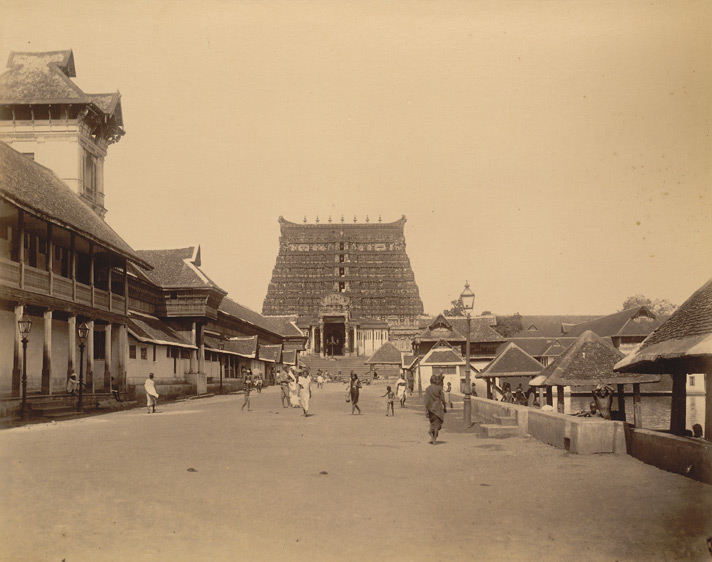
Original


After colorization


Source Credits:

Photograph of the gopura of the Sree Padmanabha Swamy Temple at Trivandrum, taken by Zachariah D’Cruz in the 1890s from the ‘Album of South Indian Views’ of the Curzon Collection.

Saturday, April 24, 2021

Reliving History: Nehru's 1958 Visit to Thiruvananthapuram in Stunning 4K Color Restoration with Deep Learning AI

This is my first attempt of video restoration with deep learning AI models.

Color restoration using deep learning AI is an exciting and innovative technology that can bring old black and white photographs and videos to life. By using artificial intelligence algorithms, it is possible to add color to historic images and videos with incredible accuracy and detail, providing a new and captivating way to relive the past.

One fascinating example of the power of deep learning AI color restoration is the restoration of old footage of Jawaharlal Nehru's visit to Thiruvananthapuram in 1958. The original footage was in black and white, but with the help of deep learning AI, it has been colorized to stunning effect, providing a vivid and immersive experience of this historic event.

The process of color restoration using deep learning AI involves training a neural network on a vast dataset of images and videos to recognize and replicate the colors that would have been present in the original scene. This involves teaching the network to recognize patterns and textures, as well as to understand the relationships between different colors in the image.

Once the neural network has been trained, it can be used to colorize new images and videos with remarkable accuracy. The technology can be used to add color to everything from historic photographs and film footage to more recent digital media, providing a new and engaging way to experience the past.

Color restoration using deep learning AI is not without its challenges, however. The technology requires access to high-quality source material, as well as careful calibration to ensure that the colors are accurately replicated. It also requires significant computational resources to process large datasets and produce high-quality results.

Despite these challenges, the potential benefits of color restoration using deep learning AI are enormous. By bringing historic images and videos to life in full color, this technology offers a new and immersive way to experience the past, enabling us to connect with history in a more immediate and engaging way than ever before.

Processing done

  • Denoising/Deinterlacing/Restoration with fewer motion artifacts and video detail recovery using AI Enhanced models.
  • Colorization using deep learning AI models.
  • 4K 60fps conversion.

Input: 640×360/672×504 @ 25fps in B/W

Output: 3140×2160 @ 60fps in Color

You can view original source videos from here:

And

https://www.britishpathe.com/video/VLVACT3MUL8FNYRS3E8VQLKBB3S89-INDIA-NEHRU-VISITS-KERALA/query/VISIT

Behind the video,
For the first time since the Communist assumption of power in the state of Kerala, India, the Prime Minister of India, Mr. Jawaharlal Nehru has paid an official state visit.

His first point of call was at Trivandrum, the capital where he was met by the Governor of the State, Mr Ramakrishna Rao (wearing the cap) and the Communist Chief Minister Mr. E.M.S. Nambudripad. The Governor garlanded Mr. Nehru as he stepped down from the plane, and shook hands. Then flowers and Arti (candle lights) were offered in Kerala traditional, fashion, and 68 pigeons were released to follow the one Mr. Nehru released, the whole to symbolize Mr. Nehru’s 69 years of peaceful life.

On the way into the town shouting crowds lined the route ‘Nehru Zindabad’ they called – Long Live Nehru – Later Mr. Nehru inaugurated the Mahatma Gandhi College in Trivandrum.

Here is the final rendering,

Tuesday, February 2, 2021

DIY Custom Ambient Light for Your PC: Create a Stunning Visual Experience on a Budget with Arduino and RGB LED Strip

If you are a PC enthusiast, you know the value of customizing your setup to suit your style and preferences. One great way to do this is by adding ambient lighting to your PC setup. This can create a more immersive and dynamic visual experience, adding depth and dimension to your gaming, movies, or work. In this blog, we will explore how to create a cheap custom ambient light for your PC using Arduino, RGB LED Strip, and a LED frame.

The ambilight that I’ve built is completely DIY and uses RGB LEDs with integrated controllers and an Arduino. Lights will change based on what you have in your screen.

Materials:

  • Arduino Nano
  • WS2812B RGB LED Strip
  • LED Frame
  • Jumper wires
  • USB cable
  • Soldering iron
  • Solder wire
  • Heat shrink tube
  • Power supply


Steps:

  1. Assemble the LED frame by following the manufacturer's instructions. Ensure that the frame is large enough to fit behind your monitor and that it is securely mounted.
  2. Cut the RGB LED strip to the length of the LED frame. Make sure to cut it at the designated cutting points on the strip.
  3. Connect the power supply to the LED strip. The power supply should be rated to match the voltage and current requirements of the LED strip.
  4. Solder jumper wires to the LED strip's data input and ground. Connect these wires to the Arduino Nano's digital pin 6 and ground pin, respectively.
  5. Connect the Arduino Nano to your computer using a USB cable.
  6. Install the FastLED library in your Arduino IDE. This library allows you to control the LED strip using Arduino code.
  7. Write the code for your custom ambient light. The code should use the FastLED library to control the color and brightness of the LED strip. You can customize the code to suit your preferences and style.
  8. Upload the code to the Arduino Nano.
  9. Test the LED strip to ensure that it is working correctly.
  10. Insert the LED strip into the LED frame, making sure that each LED lines up with the corresponding slot in the frame.
  11. Connect the power supply to the Arduino Nano and turn on your PC. The LED strip should light up, displaying the colors and patterns you programmed in the code.

Creating a custom ambient light for your PC is an excellent way to add some personality and style to your setup. With a little bit of DIY know-how and some inexpensive materials, you can create a custom ambient light that is tailored to your preferences and style. So why not give it a try and see how it can transform your PC experience!

This setup is very cheap but only works on a PC. You cannot use this for your Blu-ray player or standalone TV. This could work on an Android TV but not tested.

Below is the final working version,

And here are some pics of the completed product,


Cost of Components

  • Arduino (Nano is preferred Cost: INR 300/)
  • RGB LED Strip (Cost: INR 350/-)
  • LED 5V Power Adapter (Cost: INR 250/-)
  • Frame for setting up the LED Strip (Cost: INR 200/-)

Tuesday, December 31, 2019

Stay Ahead of the Curve with DailyTechTerms: Your Daily Dose of Technical Knowledge on Telegram

If you are a technology enthusiast, you know that keeping up with the latest technical terms and trends can be challenging. With new innovations and advancements happening every day, it can be tough to stay on top of it all. Fortunately, there is a Telegram channel that can help: DailyTechTerms.


DailyTechTerms is an informative Telegram channel that provides subscribers with detailed information about a different technical term every day. Whether you are a seasoned professional or just starting out in the field, this channel is an excellent resource for anyone looking to expand their knowledge and understanding of technology.

The channel covers a wide range of technical topics, from programming languages and software development to hardware and networking. Each day, subscribers receive a post that explains a specific technical term in detail, providing valuable insights and context that can help them stay informed and up-to-date.

One of the great things about DailyTechTerms is that it is accessible to anyone, regardless of their technical background or expertise. The posts are written in a clear and concise language, making them easy to understand even for those who are new to the field.

Whether you are a student, a professional, or just someone who is passionate about technology, DailyTechTerms is a valuable resource that can help you stay informed and up-to-date. By providing subscribers with detailed information about a different technical term every day, this channel helps them expand their knowledge and understanding of technology, empowering them to make informed decisions and stay ahead of the curve.

In conclusion, DailyTechTerms is an informative Telegram channel that provides subscribers with a wealth of valuable information about technical terms and trends. Whether you are a seasoned professional or just starting out in the field, this channel is an excellent resource that can help you stay informed and up-to-date on the latest developments in technology. So why not subscribe today and start expanding your knowledge and understanding of the field!

You can subscribe from https://t.me/dailytechterms or click here


Monday, December 30, 2019

mongoose-paginate-v2

I’ve developed this plugin to easily bring customized paginated results for NodeJS projects using MongoDB.

NPM Package: https://www.npmjs.com/package/mongoose-paginate-v2

Installation
npm install mongoose-paginate-v2

Usage
Add plugin to a schema and then use model paginate method:

const mongoose = require('mongoose');const mongoosePaginate = require('mongoose-paginate-v2');const mySchema = new mongoose.Schema({/* your schema definition */});mySchema.plugin(mongoosePaginate);const myModel = mongoose.model('SampleModel', mySchema);myModel.paginate().then({}) // UsageModel.paginate([query], [options], [callback])Returns promise


Monday, February 2, 2015

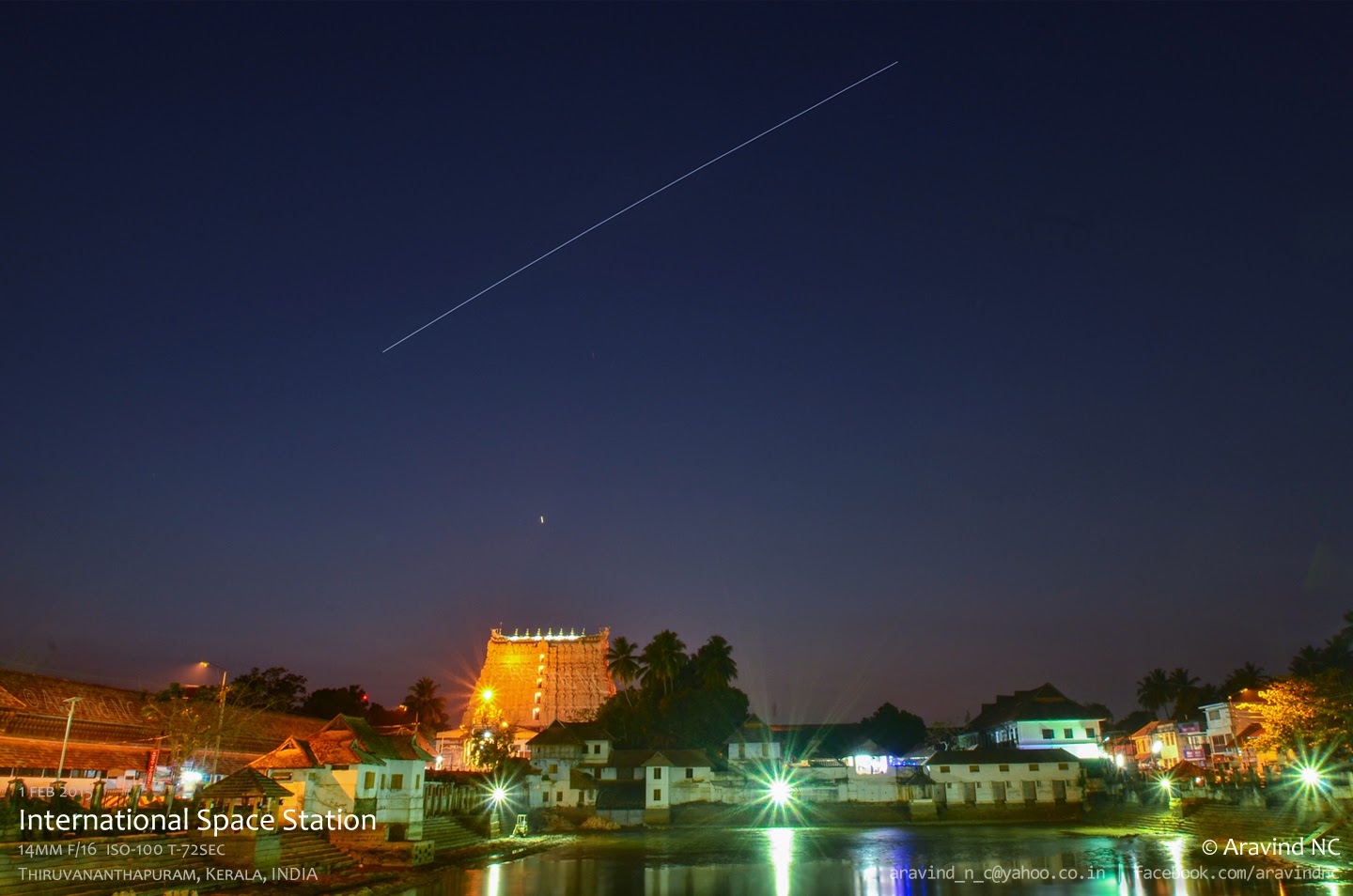
International Space Station over Sree Padmanabha Swami Temple Kerala INDIA

Above image is the passage of International Space Station over Sree Padmanabha Swami Temple in Kerala, India. You can see the brightest planet, Venus just above the temple.

Sree Padmanabhaswamy temple is a Hindu temple dedicated to Lord Vishnu.The temple is one of the 108 Divya Desams (Holy abodes of Vishnu).It is believed that Lord Vishnu’s idol was found in this place.In this temple Lord Vishnu can be seen in a state of sleep on Sheshnaag.The idol of this temple is made up of 12008 salagramams that compose the reclining Lord.The temple has blend of Dravidian and Kerala architecture styles.It has become as one of the richest temples in India with more than 1 lakh crore rupees of worth treasures.

View full version : https://www.flickr.com/photos/aravind_n_c/16242431257/

Interpreting the Data

The text listing is in a column format, a sample of which is shown below:
 

Satellite Local
(date/time)
Duration
(min)
Max Elevation
(deg)
Approach
(deg-dir)
Departure
(deg-dir)
ISS Sun Feb 1, 7:06 PM 4 42 37 above W 10 above NNE

Image of a graphic showing how to locate a satellite during a viewing opportunity.
The left column is the satellite. The next column is the local date and the local time. The third column gives the duration, or the length of time in minutes the spacecraft is expected to be visible, assuming a clear sky. The fourth column gives the maximum elevation the vehicle will achieve above the horizon (90 degrees is directly overhead). The fifth column tells the direction and elevation at which the spacecraft will become visible initially. The sixth column gives the direction and elevation at which the spacecraft will disappear from view.
This sighting opportunity is illustrated in the figure below:

Image above: Satellite sighting graphic shows how to locate a satellite during a viewing opportunity. 

Credit: Richard Czentorycki (RSIS)/NASA.

Viewing Tips

For best results, observers should look in the direction and at the elevation shown in the appearing column at the time listed. Because of the speed of an orbiting vehicle, telescopes are not practical. However, a good pair of field binoculars may reveal some detail of the structural shape of the spacecraft.

Popular Posts